

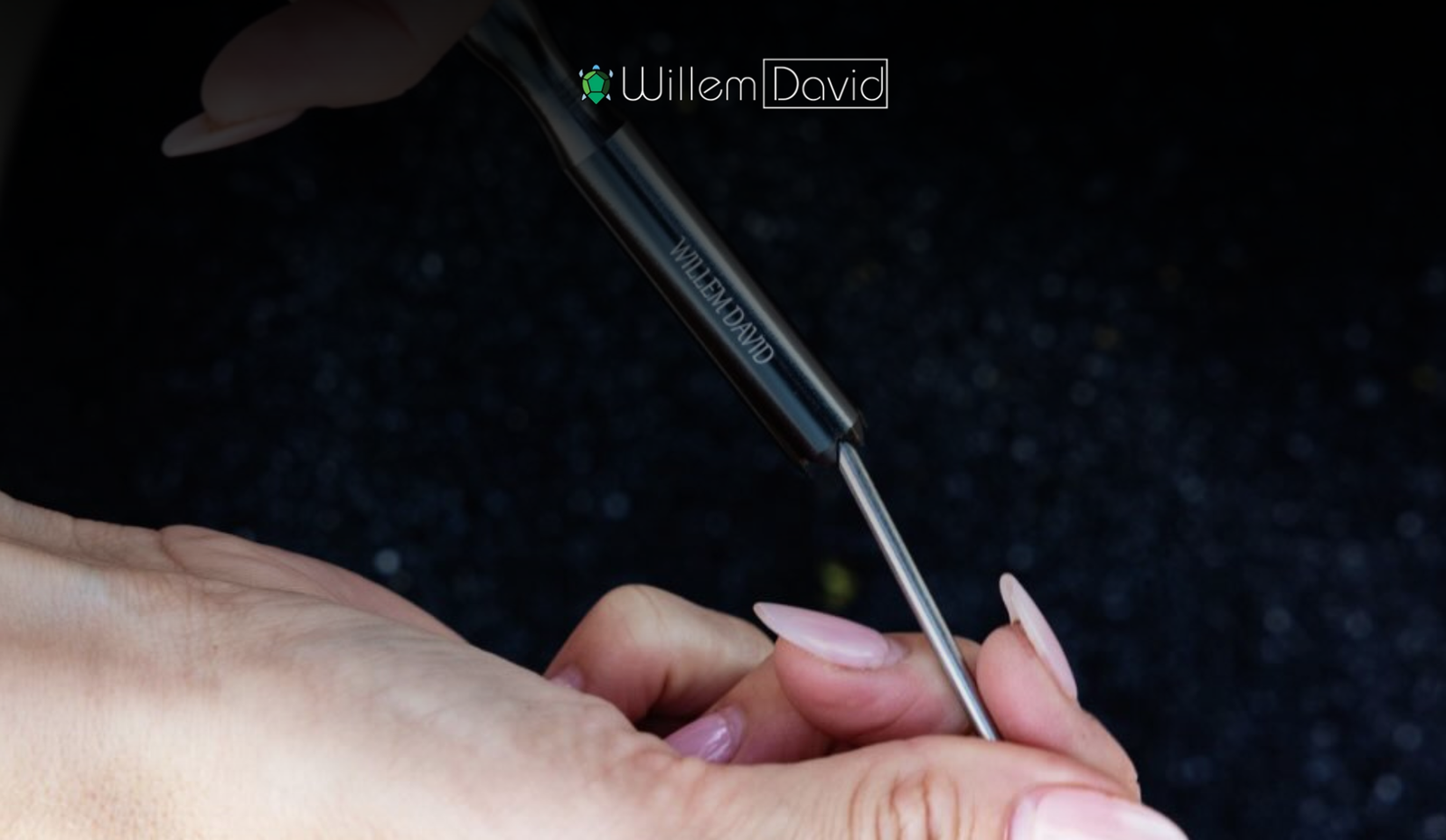

How to Clean a Smoking Pipe: The Complete Guide for Glass, Metal, Silicone & Wooden Pipes
June 04, 2026 7 min read
Keeping your pipe clean is the simplest way to get better draws, truer flavor, and longer life from a favorite piece. Whether you own a glass chillum, a precision stainless-steel one hitter, a flexible silicone spoon, or a handcrafted wooden pipe, residue builds up every use, and left unchecked, it chokes airflow, dulls flavor, and can damage finishes over time. This guide covers how to clean a smoking pipe of every common material, how often to do it, quick post-session routines, and gentle deep‑clean options (including alcohol-free methods). Willem David’s premium reusable pipes and dugouts are built for daily carry and easy maintenance, so these steps will keep them performing like new for years.
Why You Should Clean Your Smoking Pipe Regularly
Regular cleaning does more than look neat; it preserves performance.
- Better airflow and smoother draws. Residue narrows airways and increases drag.
- Cleaner flavor. Old tar and ash give a stale, harsh taste; cleaning restores the fresh flavor of each session.
- Prevents clogs and hot spots. A clogged stem or bowl causes uneven burning and harder hits.
- Longer lifespan. Routine maintenance preserves finishes on stainless steel, anodized aluminum, ceramic, and wood.
Note: stainless steel and ceramic designs like the Willem David Pipe, the Calypso Pipe, and the ALBATROSS ceramic one hitters handle routine cleaning very well. Frequent light cleans are kinder to finishes and keep one hitters ready for travel.
How Often to Clean
- After every session: tap out ash and quick-rinse stems or mouthpieces when possible.
- Weekly: light clean with pipe cleaners and a wet swab if you use a pipe often.
- Monthly or as needed: deep clean (alcohol soak, salt scrub, or vinegar method) depending on buildup.
Supplies You Need to Clean a Smoking Pipe
Basic kit for most materials:
- Isopropyl alcohol (70–99%) for glass, metal, and many ceramic pieces.
- Coarse salt (rock or kosher) abrasive scrub for glass and metal.
- Vinegar and baking soda are alcohol-free chemical action for sensitive users.
- Pipe cleaners and cotton swabs reach narrow airways and corners.
- Zip-top bags or small jars soak parts easily.
- Soft brushes and toothbrushes scrub chambers and threads.
- Warm water and mild dish soap.
- Replacement screens, O-rings, and grommets, such as the Pirate Pipe Maintenance Pack or the Calypso Refresher Kit.
Cleaning alternatives for alcohol-averse users: vinegar + baking soda soaks, lemon juice + coarse salt, boiling water (only for heat-safe glass/metal; not for wood or delicate ceramics).
How to Clean a Glass Smoking Pipe
Step-by-step (fast, effective):
- Empty ash and loose debris. Tap gently into a trash can.
- Rinse with warm water to loosen fresh residue.
- Place the pipe in a zip bag or jar; add enough isopropyl alcohol to submerge the bowl and a tablespoon or two of coarse salt.
- Seal and shake gently for several minutes; salt abrades while alcohol dissolves resins.
- Use cotton swabs or pipe cleaners for tight corners.
- Rinse thoroughly under warm water until no residue or alcohol smell remains.
- Let air dry completely before use.
Tips to keep glass cleaner longer:
Empty residue after each session.
- Don’t let buildup harden overnight.
- Store pipes in padded cases to prevent dust and grime.
- If you smoke through glass, a filtered bowl like the Calypso (14 mm compatible) catches ash before it reaches the glass, which means less to scrub out later.
How to Clean a Metal Smoking Pipe
Best method for metal pipes (stainless steel, aluminum, brass):
- Disassemble removable parts (screens, lids, mouthpieces).
- Soak in isopropyl alcohol for 20–60 minutes, or use a vinegar + baking soda soak if avoiding alcohol.
- Use a small brush or pipe cleaner to scrub threads, chambers, and screens.
- Rinse with warm water and dish soap to remove any chemical traces.
-
Dry fully with a soft cloth and allow to air dry. For aluminum, avoid long acid soaks that can pit the metal.
Maintenance tips:
- Light cleaning after each trip prevents grime from welding to threads.
- Frequent wipes protect anodized finishes and preserve smooth operation for dugouts and travel pipes.
- Choose a pipe designed to come apart. The Calypso Pipe separates into five stainless steel pieces, its Twist-to-Eject cleanout opens the chamber for easier removal and cleaning, and its filter is washable and reusable. When the O-rings or screens wear out, the Calypso Refresher Kit replaces them.
How to Clean a Silicone Smoking Pipe
Silicone is forgiving and easy to maintain:
- Freeze the pipe for an hour if sticky residue is present it often snaps off.
- Clean with warm water and mild dish soap, using fingers or a soft brush to remove residue.
- Rinse thoroughly.
-
If dishwasher-safe (check manufacturer guidance), place on top rack for a cycle.
Avoid abrasive scrubs that may rough the surface. Silicone tolerates boiling and most cleaners, but check any attached metal or wooden parts first.
How to Clean a Wooden Smoking Pipe
Wood needs gentle care to preserve shape and flavor:
- Do not soak the bowl or stem; wood absorbs liquid and can warp or crack.
- Tap out ash and run a dry pipe cleaner through the stem and airway.
- Wipe the bowl gently with a dry or slightly damp cloth; for stubborn buildup, moisten a pipe cleaner with a drop of alcohol and run through once, then dry thoroughly.
- Let the pipe air dry completely, ideally overnight.
- Rotate between pipes to allow wood to rest and prevent moisture buildup.
How to Clean Brass, Ceramic, Clay & Stone Pipes
Treat fragile or reactive materials with care:
- Brass: disassemble, soak briefly in a mild alcohol or vinegar solution, brush gently, rinse, and dry. Avoid long acid soaks.
- Ceramic and clay: short soaks in warm soapy water usually suffice. Avoid harsh abrasives that can scratch glazes or porous clay.
-
Stone/porcelain: use mild soap, soft brushes, and allow longer air-dry time.
For fragile ceramics, avoid sudden temperature changes (don’t move straight from boiling water into a cold rinse). Ceramic one hitters like ALBATROSS respond well to gentle, frequent cleaning.
How to Clean a Smoking Pipe Without Alcohol
Effective alcohol-free methods:
- Vinegar + baking soda: pour a little vinegar into the pipe, add baking soda (it fizzes and lifts residue). Let sit 10–30 minutes, then scrub with pipe cleaners and rinse.
- Lemon juice + coarse salt: acidity plus abrasion breaks down resin on glass and metal.
- Boiling method (glass/metal only): submerge heat-safe parts in boiling water for a few minutes to loosen buildup; remove carefully and scrub. Do not boil wood, delicate ceramics, or pipes with glued parts.
- Warm water and concentrated dish soap with aggressive pipe-cleaning tools often work for regular maintenance.
Cleaning an Old, Vintage, or Blocked Smoking Pipe
Deep-clean steps for heavy residue:
- Start with mechanical clearance: use a pipe tool, flexible wire brush, or dental pick carefully to open blocked airways.
- Soak in isopropyl alcohol (glass/metal) overnight; for non-alcohol options, use vinegar soak for several hours.
- Boil-resistant pipes can follow with a boiling-water step, then scrub with salt and alcohol or soap.
- Repeat soaking and scrubbing cycles for stubborn, hardened residue.
- Inspect for cracks, thinning walls, or irreparable damage some vintage pipes are better preserved than aggressively restored. If a stem or airway looks compromised, consider replacement.
Cleaning Mistakes to Avoid
- Don’t use bleach or strong household chemicals; they leave residues and can react with metal.
- Avoid hydrogen peroxide for long soaks it can be too aggressive on some finishes.
- Never use metal picks aggressively on glass or delicate ceramics.
- Don’t soak wooden pipes; prolonged liquid contact ruins grain and fit.
- Make sure all parts are completely dry before reassembly and use.
Best Habits for Keeping Your Pipe Clean Longer
- Empty ash immediately after use; quick taps prevent stubborn cakes.
- Do a weekly quick brush and run a pipe cleaner through the stem.
- Store pipes in clean cases or scent-resistant dugouts to prevent dust and odor transfer.
-
Rotate between two or three pipes to let each dry fully between sessions.
Willem David offers scent-resistant, travel-ready dugouts like the Pirate Pipe and The Pearl and premium accessories that keep tools organized and protected between uses.
Frequently Asked Questions
How often should you clean a smoking pipe?
1. After every session: tap out ash and use a pipe cleaner for the stem.
2. Weekly: light clean if you smoke daily.
3. Monthly: deeper clean for regular users. Tailor frequency to how much resin builds up and whether flavor begins to degrade.
Can you use isopropyl alcohol to clean a smoking pipe?
Yes. Isopropyl alcohol is highly effective for glass, metal, and many ceramic pipes. Use 70–91% alcohol, pair it with coarse salt for abrasion, soak as needed, and rinse thoroughly after. Avoid alcohol soaks on wood or pipes with glued components.
What is the fastest way to clean a glass smoking pipe?
Quick method: tap out ash, rinse under warm water, fill with isopropyl alcohol and salt in a sealed bag, shake for a few minutes, rinse, and dry. For light residue, a pipe cleaner and a warm, soapy rinse may be enough.
Can you clean a smoking pipe without alcohol?
Yes. Use vinegar + baking soda or warm soapy water with scrub brushes. Boiling water works for heat-safe metal and some glass. Lemon juice + salt is another alcohol-free option.
How do you clean a clogged smoking pipe?
Start with mechanical clearing: run a pipe cleaner or flexible brush through the airway and use a pick sparingly on the bowl’s bottom. For persistent clogs, soak in isopropyl alcohol (or vinegar for alcohol-free) and follow with salt agitation or brushing. Repeat until the airway clears. If left clogged after deep cleaning, inspect for structural damage or consider replacement.
Can you boil a metal smoking pipe safely?
You can boil many metal and heat-resistant glass pipes to loosen heavy residue, but avoid boiling anodized aluminum for long periods, as it may affect the finish. Never boil wooden or glued pipes. After boiling, scrub with salt or a brush and rinse thoroughly.
To conclude
Cleaning your pipe is quick, essential maintenance that restores flavor, improves airflow, and prolongs the life of any piece. Match your method to the material: alcohol and salt for glass and metal, gentle dry cleaning for wood, and mild soap or dishwasher-safe cycles for many silicone pipes. For users who prefer alcohol-free care, vinegar/baking soda soaks and lemon + salt are reliable alternatives.
If you want a pipe that’s built for everyday use and straightforward maintenance, consider Willem David’s collection of stainless steel, ceramic, and anodized travel pieces and scent-resistant dugouts designed to handle regular cleaning while staying ready to carry. The Calypso Pipe is a good place to start if easy cleanup is the priority.
Leave a comment
Comments will be approved before showing up.