


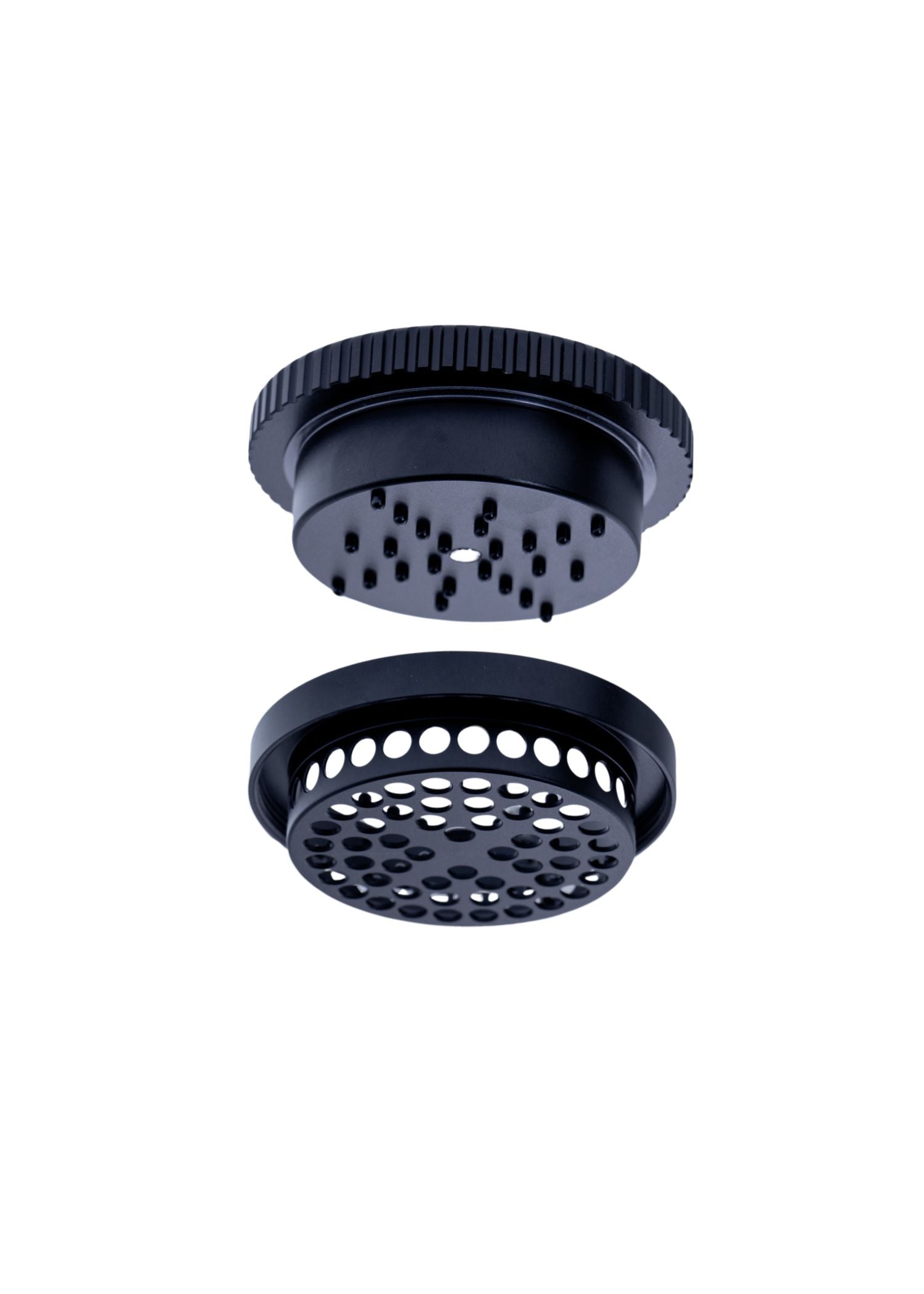
Shop our curated collection of premium herb grinders and flower mills, engineered for smooth, consistent milling of legal herbs. From compact travel grinders to heavy-duty artisan mills, each piece is crafted for clean performance, durable construction, and a fluffy, even texture that supports better airflow and more efficient use.
Discover our curated collection of premium herb grinders and flower mills engineered for smooth, consistent milling of legal herbs.
A proper grind creates the ideal fluffy texture — improving airflow, terpene preservation, and extraction efficiency for thermal extraction devices, portable systems, and desktop setups.
Crafted from aircraft-grade aluminum and medical-grade stainless steel, these grinders feature precision-cut teeth designed to mill without mashing, delivering reliable performance and long-term durability.
Collection Highlights:
• 4-piece grinders with stainless steel kief screens
• Precision flower mills for superior airflow
• Compact travel grinders
• Heavy-duty artisan editions
No disposable hardware.
Only grinders and mills that earn their place.
Upgrade your prep ritual with tools built for precision, performance, and longevity.




Let customers speak for us

Flipping love it!!!!!
Love it!!! I would always forget my lighter or my pipe would be clogged, there was always something to think about, not wth the Pirate Pipe! Surprised I have not seen this product in everyone's hands. Actually purchased 2 more to give away to my buddies.
Matt Elsing
Top Quality pipes and dugouts
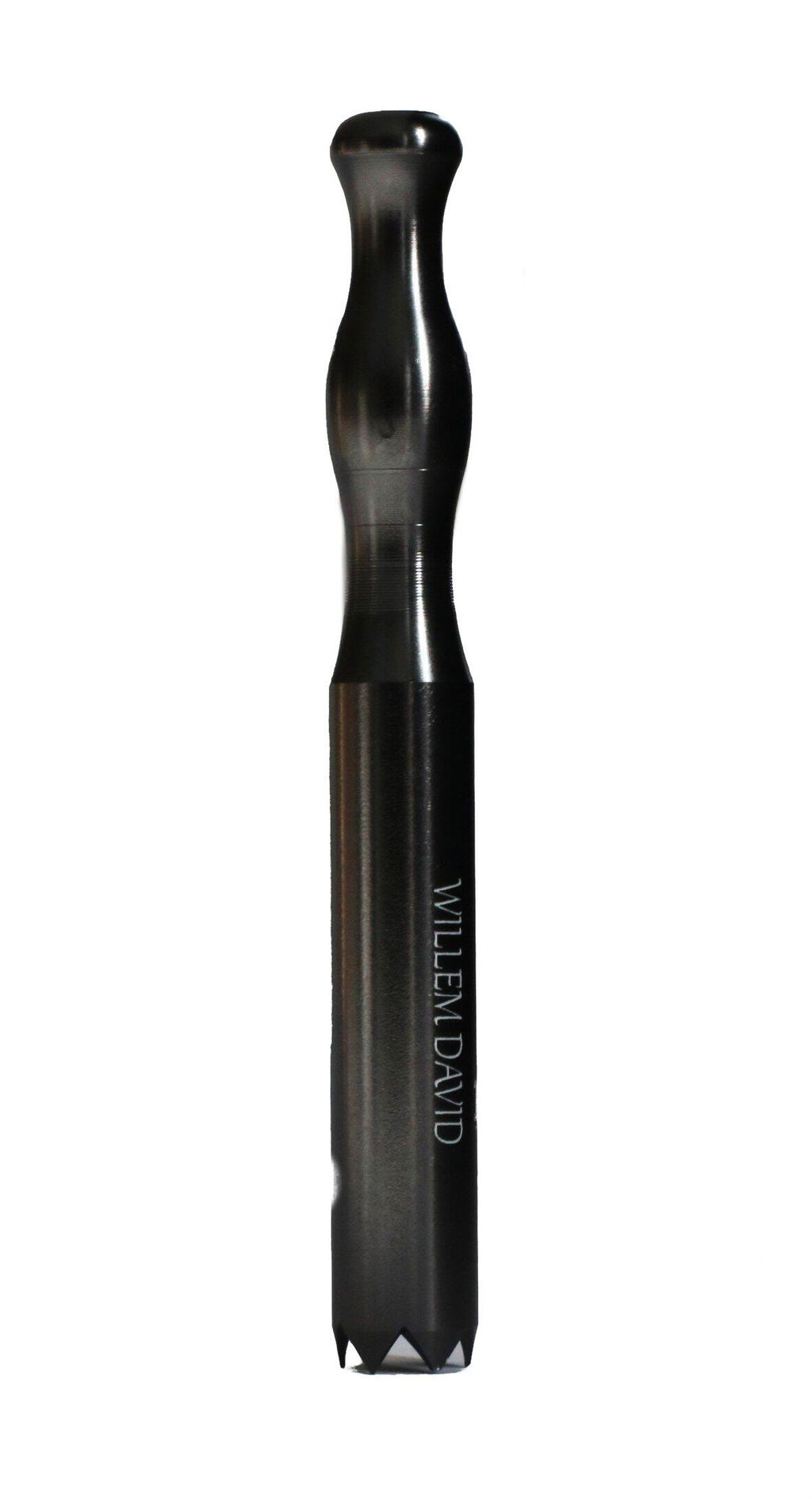
WillemDavid has reinvented the dugout and upgraded the pipes that are used with dugouts. Thanks for bringing the old fashioned dugout into the 21st century!
Stephen @ PRO420

Opened doors
The pirate pipe has opened up a lot of doors for me. I am able to get a little stoney before getting groceries or anything else really! I dont feel comfortable carrying a big stinky pipe around so this is perfect! The pipe system itself will contain all of the smell and the only thing left smelling is the environment where I smoked at. So be careful where you light up! I did order over the 2025 holidays so there must have been a mix up between the celebration and part of my order wasn’t included but I was able to reach out to the support (via website at the bottom right chat window) after a week or so and got my funnel. Do note the calypso teeth are rounded rather than sharp like they have it on the default bats, this was done on purpose but I kinda wish there was an option for the sharp teeth because I occasionally get some product clinging to the sides of the calypso pipe. They also included a neat little keychain for free! (In the initial package) its a mini pipe, bottle opener, as well as a soda tab puller. I kinda wish more of the products came with instructions because the funnel COMES with a storage system that also holds the funnel but it’s entirely reliant on rubber seal via friction. Over all I definitely don’t regret buying one and would totally do it again with the smaller version! Thanks again team
nick gulivitskiy
Yes please!
I really appreciate that it’s all in one place, clean and keeps the smell locked in. Easy to use and compact! Great customer service! Above and beyond!
K. Atsen

Mic Drop
As like the pipes, bowls, grinder, storage, glass, dugouts and ect ect…the bar is set so there is nothing that can match any place anytime! Quality and great customer experiences with all the purchases mentioned.
David
Calypso!
i use it with the 8mm tip adapter and a helix tip + armored cap/captive+quartz cap - it's great, comfy, fits into all water pieces, great cooling with the metal filter, easy to clean :)
highly recommended to anyone wanting a new dyna or tempest stem!
JW
One of the best things I ever bought. Works perfectly.
roblove19@gmail.com
Best little pipe I own
The Calypso gives a clean crisp hit. It’s easy to clean and I love the versatility. When I used it with my bong it was so smooth. It works perfectly with my Pirate Pipe for when I’m out. 12/10 highly recommend 💚
Aaron Gilickman
Finally
Finally a one hitter that draws much cooler and no “last hit ash mouth”. Product delivers.
Steve Hess

Must Have
I grabbed this after my Pirate Pipe Purchase, to make filling my dugout easier, and once again, the quality and detail blew me away. The extra features and overall versatility make this a standout addition to my setup.
Elise
The Pirate Pipe
I have been enjoying weed for 40 years. I have had 100s of different dugout type smoking devices. This is the Cadillac of them all. They thought of everything with this device and nailed it. Buy one and you will have no regrets.
Scott
Epic
I absolutely love this piece. The calypso is amazing. As a pipe, as an addition to my bong, all around greatness. I have been recommending to literally everyone.
Chance McCadden
Great product
Works great hold a lot of product.. convenient very cool looking I have ordered the ash catcher pipe can’t wait !!
Jeff Conway
Best dugout ever
When it comes to dugout designs, it doesn't get better than this.
Aidan
Best pipe I have ever used - highly recommend trying it with the pirate pipe!!!
The Calypso Pipe is hands down the best pipe I’ve ever used, and it’s the only one I reach for now. The built-in chambers that block tar and the simple cleaning process make it unbeatable. The screen keeps herbs from slipping through, and the clear design lets you easily see how much you have left. After just a couple of hits, the amount of tar it traps is unbelievable, and once you see it for yourself, you’ll never want to go back to another pipe. Absolute 10/10.
Nate K
What customers think about the store
Supplier offers innovative, premium-quality dugouts and accessories engineered for durability and convenience. Customers praise exceptional build quality, versatile functionality, smell-proof design, and comprehensive all-in-one features. Fast shipping with th...
AI-generated from customer reviews.
Design Dugout Pipe Quality


Best Weed Grinder for Dugout Use
Shop Compact Travel Grinders Built With Dugout
Pairing the right grinder with your dugout makes a noticeable difference. A properly milled, fluffy consistency loads more evenly into the bat chamber, burns smoother, and helps prevent clogging, something a rough hand-grind can struggle to deliver.
Our compact travel grinders are sized and engineered for dugout use, giving you consistent, on-the-go grinding without compromising quality. For sessions where portability matters, this is the kind of precision that keeps the setup clean, simple, and ready.
How to Use a Weed Grinder
1. Break up your herb by hand first.
Start with a light, even load so the grinder works smoothly instead of getting packed down.
2. Place the herb loosely into the teeth or milling chamber.
Avoid pressing it in too tightly, since that can lead to an uneven grind.
3. Twist the top with steady pressure.
Keep turning until the texture looks fluffy and uniform rather than compressed.
4. Understand the grinder type you’re using.
A standard 4-piece grinder chops and separates in stages, while a flower mill uses a crank-style motion for a more controlled, consistent result.
5. Aim for the right consistency.
A balanced grind supports better airflow, even burn, and smoother vaporization.
6. Stop before it becomes dust.
Over-grinding can reduce performance and make the herb harder to handle.
7. Collect the finer particles if your grinder has a kief screen.
Tap or brush the bottom chamber regularly to keep it clean and collect kief efficiently.
8. Use a manual method only if needed.
If you do not have a grinder, hand-breaking with clean fingers or a small card can work, but the result will usually be less consistent than a proper metal grinder.
How to Clean a Weed Grinder
1. Start with light maintenance.
Use a small brush to remove loose plant matter and collect kief from the screen chamber.
2. Do a deeper clean when buildup starts affecting performance.
Stainless steel and aluminum grinders can usually be soaked in isopropyl alcohol, then rinsed and fully dried before use.
3. Use the freezer trick for stubborn residue.
A short freezer session can help loosen sticky buildup before brushing or soaking.
4. Clean based on how often you use it.
Frequent users may need a quick clean every week, while occasional users can usually clean less often.
5. Give extra attention to key parts.
Four-piece grinders usually need more care around the teeth and kief chamber, while flower mills need cleaning around the milling mechanism and threading to keep rotation smooth.
6. Keep cleaning consistent.
Regular maintenance helps prevent resin buildup, protects flavor, and keeps the grinder working like new over time.
That same commitment to durable material selection applies across our entire lineup: whether you choose an EDC dugout kit or a heavy-duty glass bong, nothing we build relies on cheap materials or temporary fixes.
Ready to upgrade your prep?
Frequently Asked Questions
Yes, a Flower Mill is a strong choice if you want a controlled, consistent grind with less crushing and more milling. It is especially appealing to users who prefer a cleaner texture and a premium feel in hand. It is also a good fit for people who value durability and a more refined grinding action.
In some places, grinders may be restricted because they are associated with controlled substances and related paraphernalia laws. The rules vary by country, state, and local jurisdiction, so legality depends on where you are and how the product is classified. Always check the applicable local laws before buying or carrying one.
A weed grinder usually uses teeth or chambers to break material down through a twisting action. A flower mill typically uses a crank or milling system that produces a more even, fluffy consistency with less tearing. Both can work well, but the experience and output feel different.
The best grinder for flowers is one that gives you a consistent texture, easy cleaning, and durable construction. Aluminum and stainless steel are both common premium choices because they balance weight, performance, and longevity. If you want a compact daily carry, a well-made travel grinder is often the best fit.
Load the chamber lightly, close the grinder, and twist until the herb breaks into an even, fluffy texture. Do not pack it too tightly, because that can make the grind uneven and harder to rotate. If the grinder has multiple chambers, the finer material will collect separately for later use.
If you use it often, clean it lightly every week and deep clean it when rotation starts to feel sticky. Occasional users can clean less often, but resin buildup will still affect performance over time. Regular maintenance helps preserve both flavor and function.
Aluminum is lightweight, durable, and easy to carry, which makes it a popular everyday option. Stainless steel is heavier, extremely robust, and often preferred for a more premium feel and long-term wear resistance. The best choice depends on whether you value portability or maximum solidity.
Yes, you can break it up by hand or with a small clean tool when needed. That said, manual methods usually produce a less consistent texture and can be harder to use for precise loading. A grinder gives you a more even result and less waste.
A compact travel grinder is usually the best choice for dugout use because it is small, discreet, and easy to carry. You want a grinder that creates a fluffy grind that loads neatly into the bat chamber without clogging. That balance of size and consistency is what makes the setup work well.
A good grinder can have 2, 3, or 4 pieces depending on your needs. Four-piece grinders are popular because they separate grinding, storage, and kief collection into distinct chambers. If you want simplicity and portability, a smaller format can also be a smart choice.