

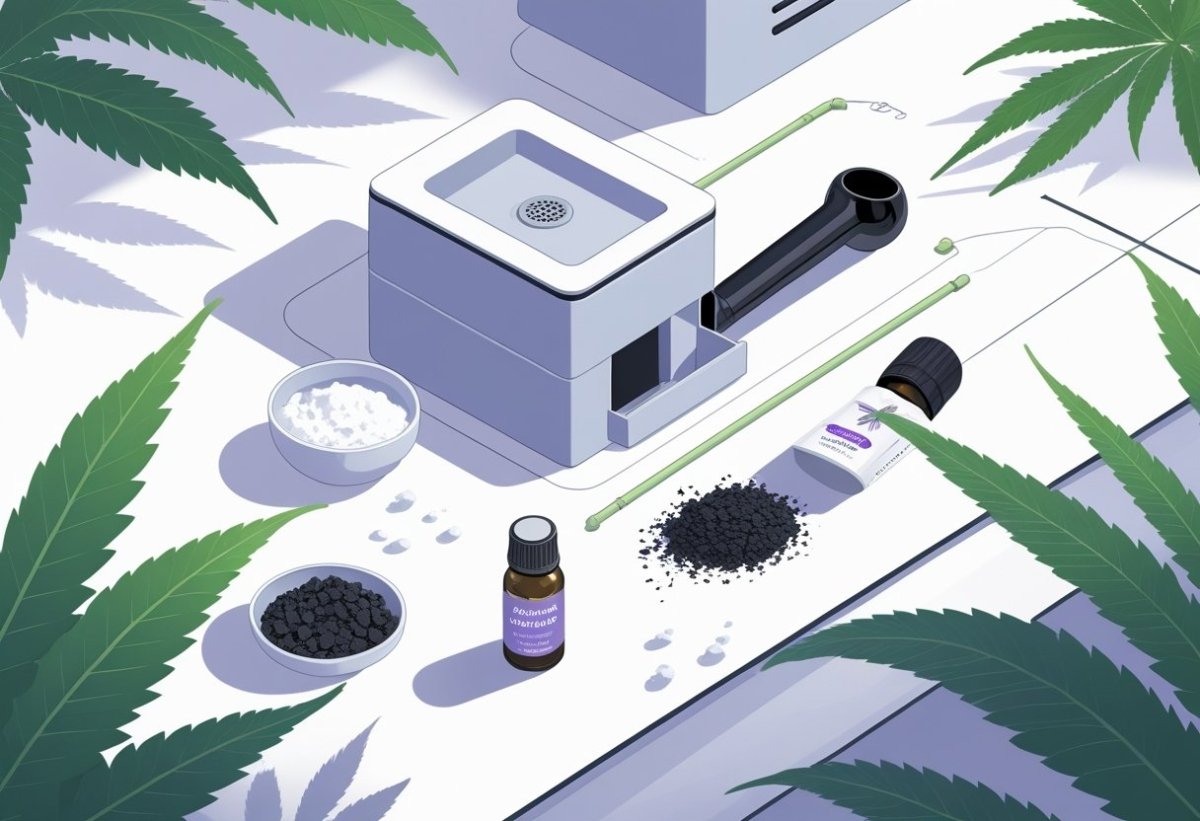

Odor Control Tips for Cannabis Pipes: Effective Methods to Keep Your Smoking Area Fresh
November 04, 2025 10 min read
Controlling odor from your cannabis pipe is essential for a discreet and enjoyable experience. The key to minimizing smell is regular cleaning, using airtight storage, and choosing the right accessories designed to contain and reduce odor effectively. Whether you prefer a classic pipe or a one hitter, these steps help keep unwanted scents under control.
Do Weed Pipes Smell?
Yes. A pipe holds onto smell long after your session ends, because sticky resin and leftover plant material build up inside the bowl and stem. The good news: most of that odor is controllable. A clean pipe smells far less than a dirty one, and a pipe stored in a sealed, airtight case barely smells at all from the outside.
How to Store a Weed Pipe So It Doesn't Smell
- Empty it first. Tap out ash and leftover flower before you put it away.
- Wipe it down. A quick pass with a pipe cleaner removes fresh residue before it hardens.
- Seal it. Use an airtight, scent-resistant case. Fabric pouches and wooden boxes let odor escape; sealed metal cases with gaskets don't. Our sealed aluminum dugouts are built for exactly this.
- Keep it dry. Moisture feeds odor and mold, so let a rinsed pipe dry fully before sealing it.
Understanding Cannabis Pipe Odor
Cannabis pipe odor results from a combination of chemical compounds that linger after use. These odors come from different parts of the plant and vary depending on factors like strain and terpene content. Knowing what creates weed smell helps you manage and reduce it effectively.
Sources of Weed Smell in Pipes
The primary sources of cannabis odor in your pipe are resin, ash, and leftover plant material. Resin builds up in the bowl and stem during smoking, trapping odor-causing compounds. Ash adds a burnt smell that mixes with the natural scent of cannabis.
If residue is not cleaned regularly, odorous compounds accumulate and the smell gets stronger. Keeping your one hitter or dugout clean reduces persistent smell and improves taste.
Why Does My Pipe Smell Like Fish?
A fishy or “fried” smell from a glass tube or one hitter is usually a sign of old, overheated resin. When a dirty pipe is lit again and again, the built-up residue scorches and breaks down, producing sour, oily odors that don't smell like fresh flower at all. A clogged or burnt-out screen can make it worse.
The fix is a deep clean (see below) and a fresh screen. If the smell comes back quickly, clean more often. Stainless steel pipes like the Calypso Pipe are easier to keep fresh because the metal doesn't absorb odor and the bowl ejects ash with a twist.
Role of Terpenes and Trichomes
Terpenes are volatile aromatic oils that define cannabis smell, found mostly in the trichomes—tiny glandular hairs on the buds and leaves. These oils release distinctive scents when heated. Common terpenes in pipes include myrcene (earthy, musky), limonene (citrus), and pinene (pine).
Trichomes not only hold terpenes but also cannabinoids. When you smoke, both are vaporized, producing the complex cannabis smell that clings to your pipe. The intensity and profile of terpenes dramatically affect how strong and what kind of odor the pipe emits after use.
Impact of Cannabis Strains on Odor
Different cannabis strains produce markedly different pipe odors due to their unique terpene profiles. For example, Durban Poison typically has a sharp, sweet, piney scent due to high pinene and limonene. In contrast, Northern Lights offers a more earthy and skunky odor, rich in myrcene.
Jack Herer combines spicy, pine, and citrus notes, which tend to linger mildly on smoking accessories. Understanding your strain’s scent profile helps you anticipate and manage the odor problem more effectively.
Essential Cleaning Techniques for Odor Reduction
Maintaining your cannabis pipe to minimize odor requires a clear routine and effective products. Regular upkeep prevents the buildup of volatile organic compounds (VOCs) and volatile sulfur compounds, which cause strong, lingering smells. Deep cleaning removes resin and tar that trap odors, while choosing the right cleaning agents preserves the pipe’s function and your smoking experience.
Regular Pipe Maintenance
You should clean your cannabis one hitter after every few uses to stop resin buildup that emits unpleasant odors. After each session, wipe the bowl and stem with a soft cloth or a pipe cleaner to remove loose debris and reduce VOC accumulation.
Empty any leftover cannabis immediately, and gently tap out ash to prevent residue from hardening. Storing your pipe in a dry place also helps control odors by limiting the environment for bacteria and mold.
Routine flushing with warm water keeps your pipe fresher, but avoid soaking more than a few minutes to protect materials. Regular maintenance dramatically cuts down odor intensity and improves every hit.
Deep Cleaning Methods
When regular cleaning isn’t enough, deep cleaning can restore your pipe’s odor control. Remove hardened resin and tar that hold volatile sulfur compounds, which contribute heavily to cannabis pipe smell.
Use isopropyl alcohol (preferably 90% or higher) combined with coarse salt to scrub the interior. The salt acts as an abrasive while alcohol dissolves sticky residues. Soak the pipe in the solution for 30 minutes, then shake gently before rinsing thoroughly with warm water. Repeat if needed.
For tougher build-up, a specialized cleaning brush can reach narrow parts. Dry the pipe completely to avoid trapping moisture, which can generate new odors.
Choosing the Right Cleaning Products
Selecting the correct products is key to effective odor control and pipe longevity. Household items like isopropyl alcohol and salt are economical and proven but may leave some harsh chemical odors if not rinsed well.
Biodegradable cleaners with natural scents such as lemon or mint can mask residual cannabis odors and help neutralize volatile compounds. However, they tend to be pricier.
Avoid ammonia-based cleaners as they can degrade pipe materials and leave strong odors. Using the right cleaner ensures you maintain flavorful cannabis hits and extend the life of your pipe without excessive odor carryover.
Effective Odor Control Solutions
Controlling odor from your cannabis pipe requires targeted solutions that can either trap, neutralize, or mask the smell. Using the right tools and products can help you maintain discretion and freshness without sacrificing your smoking experience.
Activated Carbon Filters and Carbon Scrubbers
Activated carbon filters are one of the most effective tools for removing cannabis odors. The porous nature of activated charcoal traps odor molecules, preventing them from escaping into the air. You can find carbon filters integrated into many smoking accessories or use standalone carbon scrubbers in your smoking area.
These filters work best when placed at points where smoke exits your pipe or storage container. Consistent replacement or cleaning of the activated carbon ensures ongoing efficiency. Carbon filters provide a chemical-free, reliable way to keep odors contained without affecting the taste or quality of your smoke.
Using Air Purifiers and HEPA Filters
Air purifiers with HEPA filters add another layer of odor control by capturing airborne particles, including residual smoke and odor-causing compounds. HEPA filters remove fine particulates, while some purifiers combine activated carbon layers to further neutralize smells.
Place a compact air purifier in your smoking space or room to reduce lingering odors during and after your session. Choose a model designed for small to medium-sized rooms to maximize efficiency. Regular maintenance, such as changing or cleaning HEPA and carbon filters, is essential to maintain performance. This system complements personal odor control tools, particularly if you want to keep your environment fresh without masking agents.
Natural Odor Neutralizers
Natural odor neutralizers neutralize smells rather than just covering them up. Popular options include baking soda, vinegar, and activated charcoal sachets placed near your smoking setup. These substances absorb and chemically neutralize odor molecules.
Activated charcoal sachets work silently and can be left near your pipe, storage case, or smoking area to continuously reduce smell. Baking soda in a small container absorbs moisture and odors but requires regular replacement. Vinegar works well for surface cleaning but is less practical for persistent airborne odors. Using natural neutralizers in combination with other techniques lets you maintain control without adding artificial scents.
Masking Agents and Essential Oils
Masking agents like scented candles, essential oil diffusers, and Ona gel cover odors by introducing stronger, pleasant smells into the air. Essential oils such as lavender, eucalyptus, or citrus are popular for their fresh, clean scent profiles.
While masking does not eliminate the smell, it helps reduce noticeable cannabis odors, especially in shared or urban environments. Use scented candles or diffusers discreetly to avoid overpowering the space. Ona gel offers a more potent odor-blocking option, releasing concentrated scent molecules to neutralize smoke smells effectively.
Optimizing Indoor Environments to Prevent Odor Spread
Controlling cannabis odor indoors requires controlling air movement, pressure, and climate. Using efficient equipment and managing conditions can reduce the spread of strong smells from your pipes or grow setup.
Ventilation and Exhaust Fan Strategies
Proper ventilation removes stale air carrying cannabis odors and replaces it with fresh air. An exhaust fan with adjustable speed allows you to control airflow based on odor intensity.
Use a high-quality carbon filter attached to the exhaust fan to trap odor molecules before air exits your grow tent or room. This combo is essential for reliable cannabis odor control.
Place intake vents low and exhaust vents high to promote natural airflow. Ensure vents are sealed well around frames to prevent leaks that can disperse smell.
Negative Pressure Setups
Creating negative pressure means the air pressure inside your grow space is lower than outside, so air is constantly pulled in and filtered out rather than leaking out.
You achieve this by setting your exhaust fan to move more air out than your intake fans bring in. This keeps odors contained inside the grow tent or room.
Negative pressure setups work best with properly sealed rooms or grow tents, which minimize gaps where smell can escape. Regularly inspect seals for wear and tear.
Humidity and Temperature Management
Humidity and temperature affect how potent cannabis odors are. High humidity increases odor molecules in the air, making smell harder to control.
Keep humidity below 60% during flowering stages. Use dehumidifiers or air conditioners to maintain optimal levels.
Temperatures around 70-75°F reduce terpene release, the compounds responsible for cannabis smell. Avoid overheating your space, which intensifies odor.
By combining humidity control with ventilation and negative pressure, you improve overall odor management and create a cleaner environment.
Advanced and Professional Odor Elimination Methods
Effective odor elimination requires precision tools and technologies that address cannabis pipe odors at their source. Advanced systems focus on neutralizing or breaking down odor molecules rather than simply masking smells.
These professional methods offer reliable odor control and are suitable for users who seek consistent, low-maintenance solutions. They can significantly reduce complaints and maintain a discreet environment when using your one hitter or dugout.
Ozone Generators and Air Treatment Systems
Ozone generators produce ozone (O3), a powerful oxidizer that reacts with odor-causing molecules to neutralize them. When you use an ozone generator in a room where you smoke cannabis pipes, it breaks down terpene compounds responsible for strong odors.
These systems often include air treatment components like activated carbon filters to trap residual particles. Ozone generators require careful use because high ozone concentrations can be harmful; proper ventilation and controlled operation are essential.
You’ll find ozone generators useful for eliminating deeply embedded smells in enclosed spaces or when you want to refresh air quickly. Many professional growers and enthusiasts combine ozone treatment with ventilation fans to optimize odor control without harsh chemicals.
Plasma Ionizers and Photocatalysis
Plasma ionizers release charged ions that attach to odor molecules, causing them to clump and fall out of the air or change chemically, reducing the intensity of cannabis pipe smells. This technology is quieter and safer for continuous indoor use compared to ozone.
Photocatalysis uses UV light to activate a catalyst—usually titanium dioxide—that breaks down organic compounds on contact. This process converts odor molecules into harmless substances like water and carbon dioxide.
Both plasma ionizers and photocatalysis systems target airborne odors effectively and are low-maintenance once installed. They work well for personal smoking areas where you want discreet odor management without high energy use or toxic byproducts.
Strain Selection and Cultivation Practices for Odor Management
Controlling the smell from your cannabis pipes starts with the strains you choose and how you cultivate them. Both factors influence the terpene profiles and intensity of cannabis odors, directly affecting the residual smell in your one hitter. Adjusting strain and growth conditions can help you minimize unwanted scents.
Low-Odor Cannabis Strain Choices
Selecting strains with naturally low terpene emissions is one of the most efficient ways to reduce odor. Certain strains produce less intense aromatic compounds, making them ideal for discreet use with a one hitter. Strains like Northern Lights, Harlequin, and Canna-Tsu are known for subtler scent profiles.
Terpene profiles determine a strain’s aroma; for instance, strains with high myrcene can be musky and pungent, while limonene-heavy strains are citrusy but may still be strong. You want to identify strains that combine low terpene output with flavors you enjoy, balancing discretion without sacrificing experience.
Cultivation Factors Affecting Pipe Smell
How you grow your cannabis impacts how much odor clings to your smoking tools. Managing factors like humidity, airflow, and nutrient levels can reduce terpene buildup on your one hitter. Proper ventilation during flowering limits the concentration of odor molecules released, preventing buildup along pipes.
Additionally, curing methods influence terpene preservation. Overdrying or poor curing can intensify harsh smells. Using consistent drying temperatures and adequate humidity helps maintain terpene balance, producing a cleaner-smelling product to use in your pipe. Keeping cultivation spaces clean and employing odor-control tools also reduces lingering odors on your gear.
For more on managing cannabis smells, check this guide to grow room odor control.
Frequently Asked Questions
Managing cannabis pipe odor involves both cleaning techniques and mindful smoking habits. Using the right tools and simple home methods can significantly reduce lingering smells on your person and in your space.
Does smoking weed from a pipe smell less than a joint?
Usually, yes. A joint keeps burning between hits and releases smoke the whole time, while a pipe or one hitter only burns when you light it. Smaller one-hitter bowls burn even less at once, so there's less smoke drifting around the room.
How can I effectively eliminate the smell from my cannabis pipe after use?
Clean your pipe with isopropyl alcohol and salt to break down resin buildup, which traps odors. Rinse thoroughly and dry it completely before storing. Regular cleaning prevents stubborn smells.
What are the best practices for reducing odor while smoking with a bong?
Use water with activated charcoal or additives designed to neutralize odors inside the bong. Smoke in a well-ventilated area or near an air purifier to help clear the air quickly. Smoking more slowly and taking smaller hits also reduces odor intensity.
Is there a difference in odor intensity between using bongs and joints?
Yes. Joints tend to produce more noticeable smoke odors because they burn more material and release unfiltered smoke into the air. Bongs filter some smoke through water, which can reduce, but not eliminate, odor.
What homemade methods can I use to minimize cannabis smoke odors indoors?
Burn scented candles or use essential oil diffusers after smoking. Boil citrus peels or cinnamon sticks on the stove to mask the smell. Keeping windows open and using fans helps circulate fresh air while dispersing smoke.
Can a smoke filter like the Smoke Buddy help in controlling cannabis odor?
Yes. Smoke filters trap and neutralize smoke before it escapes into the room, greatly reducing lingering smells. Devices like the Smoke Buddy are effective for discreet smoking but should be paired with cleaning routines for best results.
What steps can be taken to ensure clothes don't retain the smell of cannabis smoke?
Wear a designated smoking jacket or change clothes after smoking to avoid lingering odors. Wash exposed clothing promptly and consider using odor-eliminating sprays or detergents designed for smoke smells. Keeping your clothing separate helps maintain freshness.
Leave a comment
Comments will be approved before showing up.